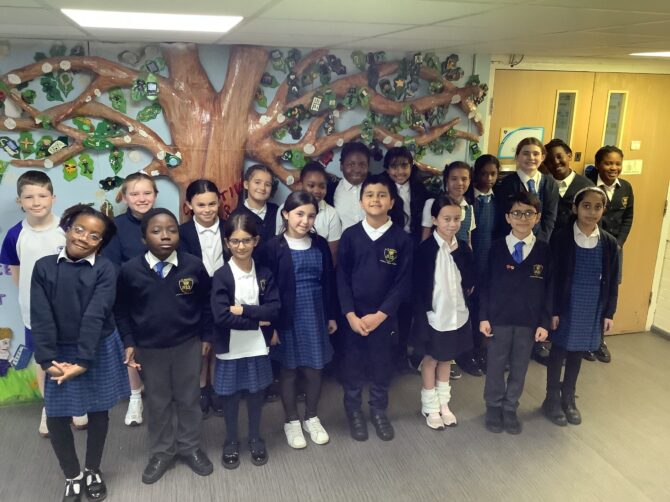
Ambassadors & Groups

Head Pupil
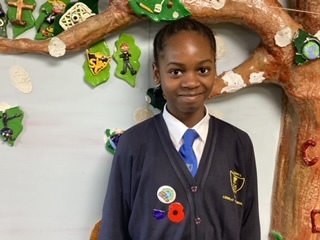
Head Pupil

Deputy Head Pupil
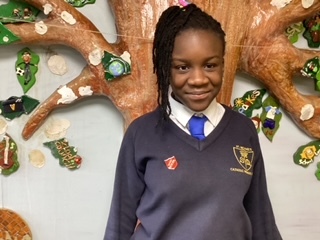
Deputy Head Pupil
St Michael's Prefects
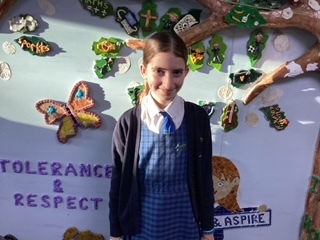
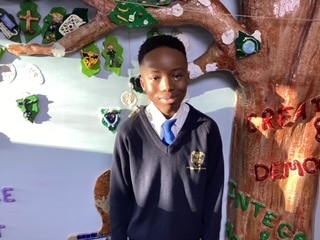
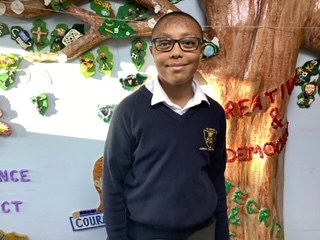
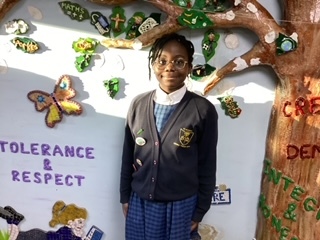
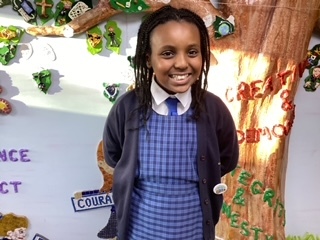
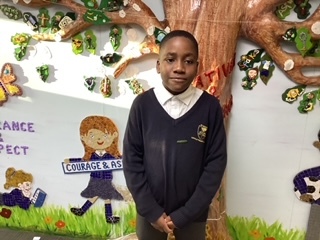
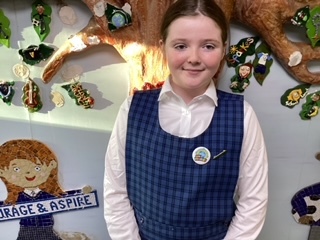
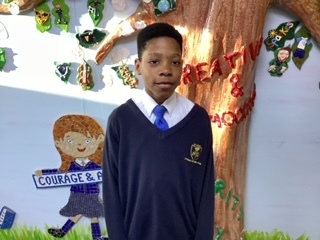
Rocket Resilience Champions
🚀 Roles of the Rocket Resilience Champions
The trained Year 5 pupils who became ROCKET champions serve as a powerful force for a whole-school approach to mental health and well-being. Their professional training ensures they are equipped with evidence-based strategies, confidence, and a clear understanding of their boundaries (i.e., when to seek adult help).
1. Peer Support and Social Inclusion 🤝
-
Trained Listeners: Use learned active listening and empathy skills to provide a supportive ear for peers facing minor difficulties (e.g., friendship issues, low mood).
-
Playground Coordinators: Organise and lead structured, inclusive games and activities during breaks to ensure no child is left out. With 30 champions, they can cover different areas of the playground effectively.
-
Conflict Mediators (Low-Level): Employ basic, professionally taught de-escalation and problem-solving techniques to help peers resolve minor disagreements independently.
2. Promoters of Well-being and Resilience ✨
-
Resilience Educators: Act as ambassadors, leading small groups or class activities to teach younger students the ROCKET principles (Resilient, Open, Caring, Kind, Equal, Togetherness).
-
Mental Health Stigma Reducers: Promote open, positive conversations about feelings, normalising that it’s okay to feel sad or stressed and okay to ask for help.
-
Well-being Advocates: Suggest and help implement whole-school well-being initiatives (e.g., mindfulness moments, kindness campaigns) based on the principles they learned in their professional course.
3. The ‘Calming Zone’ & Transition Team 🧘
-
Quiet Zone Supervisors: Manage and maintain a dedicated ” (quiet area), offering calm-down strategies (like deep breathing or simple grounding techniques) they learned in their training.
-
Transition Mentors: Offer targeted support to younger children (e.g., Year 3) or new students, helping them navigate changes and build social connections.
4. Regular Meetings 🗣️
-
Feedback Communicators: Regularly meet with the supervising adult lead to provide constructive feedback on the school’s well-being culture and identify areas where more support is needed.